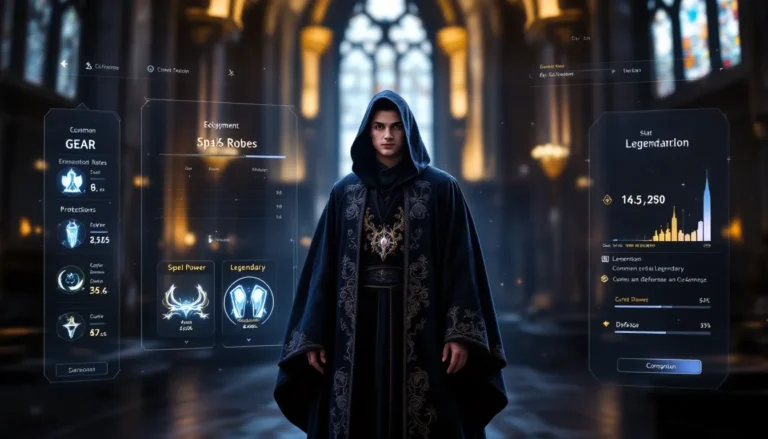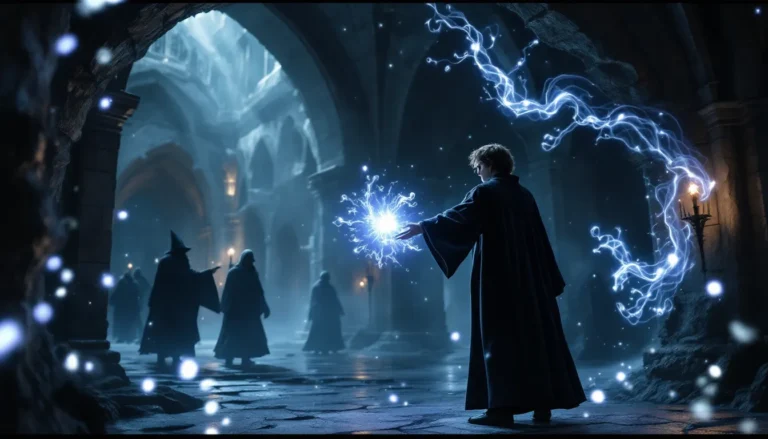

It’s the question echoing across Harry Potter and gaming communities alike: is Avalanche Software actually making Hogwarts Legacy 2? The original game landed like a magical spell in early 2023, selling over 12 million copies and becoming one of the year’s biggest releases. Since then, the silence from developer Avalanche Software and publisher Warner Bros. Games has been deafening. Fans have been hunting for scraps of information, analyzing every developer interview, and parsing corporate statements for hidden clues about what’s next. In 2026, we’re still in the waiting game, but there’s enough evidence and context to paint a picture of what’s likely happening behind the scenes. This guide breaks down the official status, explores the business logic behind a sequel, and cuts through the rumor mill to show you what we actually know versus what’s pure speculation.
Table of Contents
ToggleKey Takeaways
- Hogwarts Legacy 2 has not been officially announced yet, but the original game’s massive success (12+ million copies sold) and sustained community engagement make a sequel highly likely rather than a question of if, but when.
- Avalanche Software and Warner Bros. Games have remained deliberately quiet about a sequel, which is standard industry practice for studios in early planning phases, not a sign of disinterest.
- Based on typical AAA development timelines of 3-5 years, an official Hogwarts Legacy 2 announcement is realistically expected in late 2026 or early 2027 at major industry events like The Game Awards.
- Fan demand for Hogwarts Legacy 2 centers on meaningful improvements: expanded dueling systems, multiplayer modes, darker storytelling, and next-gen graphics that build naturally on the original’s foundation.
- The primary obstacle to development is complex Harry Potter IP licensing requiring negotiation across multiple entities, plus competing resource demands within Warner Bros. Games’ larger project pipeline.
- Unverified online rumors about Hogwarts Legacy 2 should be treated with skepticism; reliable information comes only from official studio statements, publisher earnings calls, and reputable gaming journalists with established track records.
Official Status Of Hogwarts Legacy 2
What Avalanche Software Has Said
As of early 2026, Avalanche Software hasn’t announced Hogwarts Legacy 2 officially. The studio has been quiet since the original game’s launch support wrapped up in late 2023. Their last major public statement was a vague commitment to exploring new projects, but nothing concrete tied to the Harry Potter universe or a direct sequel.
In interviews over the past few years, the dev team has acknowledged how massive the first game’s success was, but they’ve deliberately sidestepped sequel questions. That’s actually standard practice, studios don’t confirm sequels until they’re deep into production and ready to show something. It’s not evasiveness: it’s professional caution.
Warner Bros. Games’s Position On A Sequel
Warner Bros. Games, the publisher, has never stated they aren’t making a sequel. Instead, they’ve done what publishers do: they’ve remained noncommittal while clearly interested. The corporation reported strong performance metrics from Hogwarts Legacy in quarterly earnings calls, calling it a “strategic franchise asset” and noting its potential for long-term growth.
That corporate language is basically publisher-speak for “we’re definitely thinking about this.” If WB Games didn’t see sequel potential, they’d have moved on to other projects by now. Licensing Harry Potter is expensive and complex, so they wouldn’t invest in that infrastructure without planning follow-ups.
Why A Sequel Makes Sense
Commercial Success Of The Original
Hogwarts Legacy was a cultural phenomenon. Over 12 million copies sold, consistent player engagement across PC, PlayStation, and Xbox, and a remarkably long sales tail, the game kept selling steadily years after launch. That’s rare. Most games spike at release and drop off: Hogwarts Legacy maintained momentum.
From a pure business standpoint, those numbers justify greenlight for a sequel immediately. In the gaming industry, if a game clears 10 million copies and maintains strong engagement, a follow-up is almost guaranteed. Compare this to franchises like The Witcher, where CD Projekt Red was already planning sequels after the second game’s success.
Fan Demand And Community Engagement
The community hasn’t moved on. Subreddits dedicated to Hogwarts Legacy remain active with thousands of players still posting builds, theories, and wishlists for the next game. Speedrunners are still optimizing routes. Modders on PC are still adding content. That sustained engagement is exactly what publishers monitor when deciding what to greenlight.
Fan forums and social media regularly surface what players want: expanded houses, multiplayer elements, darker storylines, and next-gen graphics. This data is valuable to studios. They use community feedback to inform development priorities. The appetite for Hogwarts Legacy 2 is real, visible, and documented.
Untapped Storytelling Potential
The first game’s narrative structure, where you play as a custom protagonist arriving late to Hogwarts, allowed for a self-contained story. But that canvas also leaves room for expansion. A sequel could explore different narrative angles: perhaps a different time period, a new protagonist in a later year, or even branching storylines that react to choices from the first game.
The Harry Potter universe has centuries of in-game history. The original game tapped the 1890s era during the height of goblin tensions. A sequel could shift timelines entirely, earlier or later, while using the same game engine and world-building foundation. That’s creatively flexible and economically smart.
Timeline And Expected Release Window
Development Timelines For AAA Games
AAA games like Hogwarts Legacy take 3-5 years to develop from greenlight to launch. The original went through a lengthy development cycle, it was in production for roughly 4-5 years before its February 2023 launch. A sequel would likely follow a similar trajectory, assuming it was greenlit in late 2023 or early 2024.
If Avalanche Software greenlit a sequel immediately after the first game’s launch success (which would be smart business), we’re looking at a realistic window of late 2026 through 2027 for an announcement. Full reveal wouldn’t happen until they have compelling footage to show. Publishers learned long ago that announcing games too early creates fatigue and unrealistic fan expectations.
When We Might See An Announcement
Major gaming publishers typically announce sequels at industry events: E3 (RIP), Summer Game Fest, PlayStation Showcase, Xbox Game Showcase, or The Game Awards. If Hogwarts Legacy 2 is in advanced development now, mid-2026, an announcement at The Game Awards in December 2026 or early 2027 is plausible.
Warner Bros. Games has a pattern: they build hype through strategic reveals timed to press cycles and gamer expectations. VGC has tracked publisher announcement patterns for years, and major franchises almost never surprise-drop without buildup. Expect a teaser or announcement trailer at a major event, followed by gameplay reveals in the months after.
What Fans Want In Hogwarts Legacy 2
Gameplay Improvements And New Features
The top request across the community: expanded dueling systems and more dynamic combat. The original’s spell-casting felt satisfying, but players wanted deeper mechanics, more ability combinations, and higher difficulty curves for veterans. A sequel could introduce scaling difficulty, prestige modes, or competitive spell-casting mechanics.
Players also want:
- Broom racing expanded from a mini-game into a full competitive mode
- Multiplayer dungeons or cooperative wand-dueling
- House rivalry quests that have lasting mechanical impacts
- More varied environment interactions, spells that reshape dungeons, destructible puzzles
These aren’t radical departures: they’re natural extensions of what the first game started. Avalanche Software has the foundation to build on without starting from scratch.
Story Expectations And Character Development
Fans expect deeper character arcs. The first game had solid side characters, but some felt thin. A sequel should invest more in companion relationships, branching dialogue trees, and choices that meaningfully alter outcomes.
Many players want:
- Time-skip narratives where your choices from game one affect the sequel’s story
- House-specific storylines that require multiple playthroughs to experience fully
- Darker tone for later years, more stakes, genuine moral dilemmas
- Original characters over iconic ones, the first game leaned on familiar names, but players connect more with new characters written for the universe
Technical Enhancements And Graphics
PC and console players expect next-gen optimization. The first game released on current-gen hardware (PS4, Xbox One) and showed its age in some areas. A sequel built from the ground up for PS5, Xbox Series X/S, and modern PC would look significantly better: improved lighting, higher-resolution textures, faster load times, and more detailed environments.
Raytracing for spellcasting effects, improved character animations, and larger draw distances are baseline expectations now. Ray tracing could make dueling more visually impressive, with spell effects casting actual shadows and reflections.
Challenges And Obstacles To Development
Licensing And IP Considerations
Harry Potter licensing is complex. The Harry Potter franchise is managed by multiple entities: J.K. Rowling, Warner Bros., Wizarding World Productions, and the Hogwarts Legacy IP specifically granted to Avalanche Software. Renewing or expanding that license for a sequel requires negotiation across all parties.
This isn’t a dealbreaker, the first game succeeded under these constraints, but it’s a process that adds months of legal and business negotiation. It’s also one reason smaller studios rarely tackle major IPs: the red tape is substantial. Warner Bros. Games has the leverage to navigate it, but it’s still overhead that delays projects.
Industry Resources And Priorities
Avalanche Software is a mid-sized studio. They don’t have the resources of Rockstar Games or Naughty Dog. After shipping Hogwarts Legacy, they likely took time to decompress, analyze post-launch feedback, and plan their next move. Some of their team may have rotated to other WB Games projects in the interim.
Warner Bros. Games as a whole is stretched: Suicide Squad Kill the Justice League, Gotham Knights, DC games pipeline, and other franchises are competing for resources. A Hogwarts Legacy 2 announcement would mean committing significant studio bandwidth for the next 3+ years. That’s a deliberate choice with financial implications. Publishers weigh this carefully, it has to be worth the opportunity cost of not making other games.
Speculation And Rumors From The Community
Leaked Information And Industry Insider Clues
Early 2025 and 2026 saw several Reddit threads and social media posts claiming “insider” knowledge about Hogwarts Legacy 2 development. Most were unverified claims with no credible sourcing. One recurring rumor claimed the game was in “pre-production planning” with a 2028 release target. Another alleged it would launch on the rumored Nintendo Switch 2.
These rumors are worth tracking but not worth betting on until confirmed by reputable sources. IGN and other major outlets routinely break game announcements, and they verify information through studio contacts before publishing. If Hogwarts Legacy 2 exists in active development, IGN or Game Informer would be among the first to know.
One semi-credible detail from industry observers: licensing for Harry Potter products typically requires multi-year renewal cycles, suggesting that any greenlit sequel would have secured extended IP rights. The timing of such renewals, if they occurred in late 2023 or early 2024, would align with development start dates.
How Reliable Are These Sources
Most online “leaks” aren’t reliable. The gaming industry has a history of false claims and misreported information. Unnamed “insiders” on Reddit lack accountability. Even when people claim industry connections, verification is impossible without corroboration from established journalists.
The most reliable information sources are:
- Official studio statements (from Avalanche Software directly)
- Publisher earnings calls (where WB Games discusses franchise plans)
- Reputable gaming press (Game Informer, IGN, VGC) with named sources and track records
- Job postings from Avalanche Software hiring for specific roles (e.g., hiring senior designers for a “fantasy RPG” could hint at Hogwarts Legacy 2)
Rumors can inform speculation, but they’re not fact. Stay skeptical until official channels confirm anything.
Conclusion
Hogwarts Legacy 2 isn’t officially confirmed yet, but the evidence, commercial success, fan demand, industry patterns, and publisher incentives, points heavily toward “when, not if.” The silence from Avalanche Software and Warner Bros. Games isn’t a sign of disinterest: it’s standard practice for studios in the planning and early development phases.
Expect an announcement sometime in late 2026 or early 2027, likely at a major industry event. When it comes, it’ll be backed by gameplay footage and a credible release window. The first game proved there’s an appetite for Harry Potter games beyond the main franchise, and a sequel would benefit from years of community feedback and technical improvements.
Until then, the community’s wishlists, better dueling systems, multiplayer modes, darker storytelling, and next-gen graphics, represent realistic expectations. Avalanche Software and Warner Bros. Games are paying attention. Whatever Hogwarts Legacy 2 becomes, it’ll be shaped by what players loved about the original and what they’re demanding for the sequel.