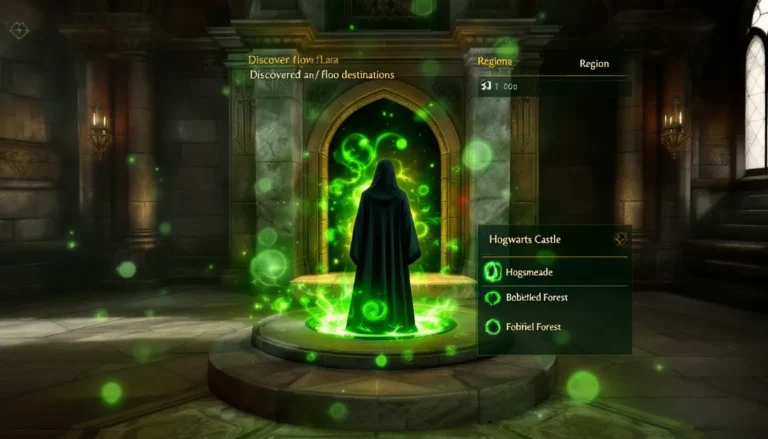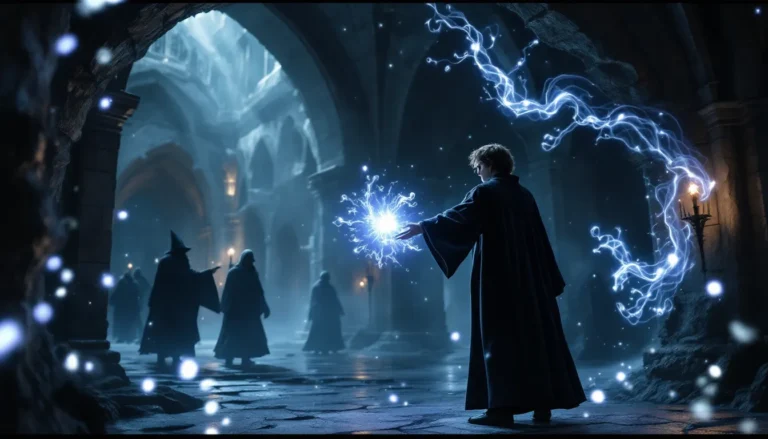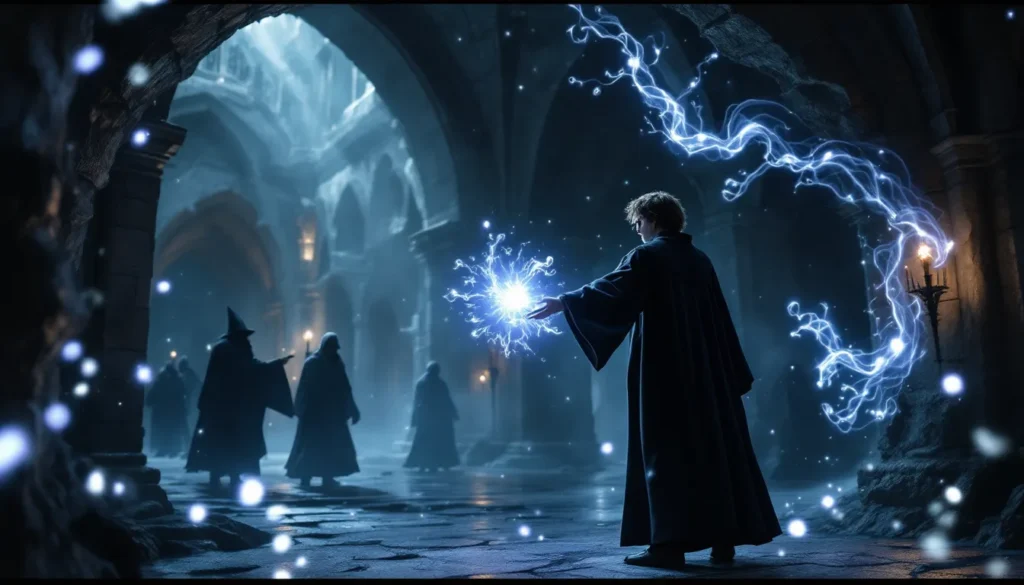

The Disillusionment Charm is one of Hogwarts Legacy’s most powerful tools for stealth-focused gameplay, offering players the ability to become nearly invisible to enemies for tactical advantage. Whether you’re sneaking past Aurors during a tense confrontation or planning an ambush on Dark wizards, this spell can be the difference between a clean victory and a chaotic battle. It’s not just a gimmick, it’s a legitimately viable strategy for any playstyle, from pacifists who want to avoid combat entirely to aggressive players who use invisibility as a setup for devastating spell chains. Understanding how to unlock it, master its mechanics, and leverage it in different scenarios will transform how you approach stealth and combat in Hogwarts Legacy.
Table of Contents
ToggleKey Takeaways
- The Disillusionment Charm in Hogwarts Legacy unlocks during Sebastian Sallow’s “In Darkness” questline and offers nearly 30 seconds of invisibility, enabling stealth-focused players to navigate dungeons and avoid combat entirely.
- This invisibility spell works across all house affiliations and playstyles, from pure stealth builds to aggressive setups where you break invisibility to execute devastating spell chains like Disillusionment + Crucio or Diffindo.
- Maximize the Disillusionment Charm’s effectiveness by investing in Sneaking talents (10-12 points) and Spell Kufi (8-10 points) to reduce cooldown from 25-30 seconds down to 12-15 seconds by mid-game.
- The charm has real limitations: certain enemies like Aurors and bosses have enhanced detection, and casting offensive spells immediately breaks invisibility, requiring careful positioning and route planning in high-level dungeons.
- Pair Disillusionment with utility spells like Revealer, Accio, and Depulso rather than offensive magic to create a versatile invisibility strategy that rewards creative problem-solving over reflexive combat.
What Is The Disillusionment Charm?
Lore & Magical Background
The Disillusionment Charm is a classic defensive spell from the Harry Potter universe, and Hogwarts Legacy treats it with the same reverence. In canon lore, this charm makes the caster blend seamlessly into their surroundings, rendering them effectively invisible to the naked eye. It’s more nuanced than outright invisibility, it works by camouflaging the user against their background rather than making them vanish completely. This distinction matters for the game’s mechanics, and understanding the magical philosophy behind it helps explain why certain limitations exist.
Within Hogwarts Legacy’s world, the charm fits perfectly into the game’s emphasis on player agency and creative problem-solving. The developers didn’t just hand players invisibility and call it a day. Instead, they created a spell that’s powerful but has real trade-offs, encouraging strategic thinking about when and where to use it.
In-Game Mechanics & Functionality
When activated, the Disillusionment Charm makes your character invisible to enemies for a set duration. You retain full mobility, you can walk, run, and even use other spells while invisible, though some actions will break the effect. The charm doesn’t grant you any special abilities beyond stealth: it’s purely about avoiding detection.
Key mechanics worth noting:
- Activation & Duration: The spell lasts approximately 30 seconds on the base version. This timer feels generous for most stealth scenarios, giving you enough time to reposition or set up an attack.
- Breaking the Effect: Running too close to enemies, attacking, or casting most offensive spells breaks the invisibility immediately.
- Visual Feedback: Your character appears as a shimmering outline to yourself on screen, but enemies see nothing. This creates an engaging contrast between what you see and what NPCs perceive.
- Cooldown: After the effect ends or you break it, there’s a cooldown period before you can recast. Early on, this cooldown is noticeable, but talents and upgrades reduce it significantly.
The charm works consistently across all encounter types, whether you’re facing common enemies or boss-level threats. It’s platform-agnostic too, works the same on PC, PlayStation, and Xbox versions, so strategy guides apply universally.
How To Unlock The Disillusionment Charm
Sebastian Sallow’s Questline Requirements
The Disillusionment Charm isn’t available from the start. You need to progress through Sebastian Sallow’s questline to gain access to it. Specifically, the charm unlocks during the “In Darkness” quest, which is the final main quest in Sebastian’s storyline. This happens around the mid-to-late game, so patience is required if you want to build a stealth character from the beginning.
To trigger this quest, you’ll need to:
- Build a relationship with Sebastian Sallow through earlier interactions and side quests.
- Progress through his questline naturally, don’t avoid him or skip his scenes.
- Make specific dialogue choices that align with dark magic interests (though the game isn’t overly restrictive here).
- Reach the point in the story where Sebastian’s arc climaxes.
The quest itself is story-driven and doesn’t require specific stat thresholds or gear. Simply following Sebastian’s character progression will get you there. The quest typically occurs around 50-60 hours into a standard playthrough, though this varies based on how much side content you complete.
One important note: you don’t need to fully commit to the dark magic path to unlock this spell. Sebastian teaches it to you as part of his character arc, regardless of your broader moral choices. This means players can grab the spell and use it for stealth purposes without sacrificing a “good character” playthrough.
House-Specific Availability
Unlike some other restricted spells, the Disillusionment Charm has no house requirements. Whether you’re in Gryffindor, Hufflepuff, Ravenclaw, or Slytherin, you can learn and use this spell equally. Your house choice affects access to other dark magic spells and certain questlines, but Disillusionment remains universally available once Sebastian teaches it.
But, the timing of when you can unlock it might vary slightly depending on your house. Slytherin players have more frequent interactions with Sebastian, so the unlock may come slightly earlier in their playthroughs. Gryffindor players might need to deliberately seek him out. This is a minor difference, the spell itself works identically regardless of house affiliation.
One strategic consideration: if you’re planning a full stealth build, syncing your playthrough with Sebastian’s questline progression ensures you have this crucial tool available when you need it most.
Mastering Disillusionment: Combat & Stealth Strategies
Offensive Advantages & Spell Combinations
The real power of the Disillusionment Charm emerges when you combine it with aggressive spells. The charm acts as a setup tool, you become invisible, position yourself perfectly, then strike. The enemy never sees the attack coming until you’ve already committed to a damage combo.
Some of the best offensive combinations:
- Disillusionment + Diffindo: Become invisible, approach close range, then unleash a charged Diffindo for maximum damage on an unsuspecting enemy.
- Disillusionment + Stupefy Chain: Use invisibility to get close, then lock enemies in a Stupefy chain while they’re caught off-guard. Stunned enemies can’t call for reinforcements.
- Disillusionment + Crucio: Dark magic users can weaponize invisibility by casting Crucio on immobilized or vulnerable enemies. Since Crucio is high-damage and leaves targets debilitated, landing it first is devastating.
- Disillusionment + Environmental Hazards: In certain dungeons, you can position yourself near explosive barrels or dangerous terrain, break invisibility with a spell to draw enemy attention, then manipulate the environment to your advantage.
The key to offensive Disillusionment play is understanding enemy AI. Most enemies in Hogwarts Legacy have limited awareness when invisibility is active. They won’t suddenly turn and attack, they’ll maintain their patrol patterns or defensive stances. This predictability is your window for a powerful opener.
Stealth Gameplay & Enemy Avoidance
For players prioritizing pure stealth over combat, Disillusionment Charm excels at problem-solving without bloodshed. You can slip past entire enemy groups, avoid triggering alarms, and navigate high-security areas undetected. This playstyle emphasizes patience and route planning.
Effective stealth approaches:
- Patrol Timing: Watch enemy movement patterns for 10-15 seconds before activating the charm. Knowing where guards will be standing in 30 seconds lets you navigate around them efficiently.
- Distance Management: Even invisible, you have a detection radius. Stay at least 10-15 feet away from alert enemies to avoid accidental collision detection.
- Silent Movement: While invisible, moving slowly is virtually silent. Sprinting is slightly louder but still undetectable if you’re far enough away. Use sprint cautiously in tight quarters.
- Sequential Passes: In large areas with multiple enemy groups, cast the charm multiple times in sequence. Slip past group A while invisible, wait for the cooldown to expire safely, then approach group B.
This approach pairs well with the earlier RPG Site guides on stealth-based character builds, which emphasize positioning and awareness. The charm rewards thoughtful play over reflexes.
Best Builds & Talent Synergies
To maximize Disillusionment effectiveness, certain talent combinations amplify its power significantly.
Talents that synergize best:
- Sneaking: Obviously, increased sneaking reduces detection radius and movement noise while invisible.
- Spell Kufi: Reduces cooldown on spell casts, including invisibility refreshes. This is essential for spamming the charm multiple times in extended encounters.
- Petrificus Totalus Mastery: If you’re combining invisibility with crowd control, this talent amplifies the disable duration.
- Dark Magic Talents (if pursuing dark arts): Spells like Crucio and Avada Kedavra benefit from invisibility setup. Talents that amplify dark magic damage stack with your Disillusionment openings.
- Defensive Spellcraft: If you want survivability without relying purely on stealth, this branch lets you tank hits if invisibility breaks prematurely.
A strong “Invisible Assassin” build allocates points like this:
- Sneaking Tree: Max this first (10-12 points). Detection avoidance is foundational.
- Spell Kufi: 8-10 points to reduce invisibility cooldown from ~20 seconds to ~12 seconds.
- Dark Magic or Curse Damage: 8-10 points depending on your preferred finisher spell.
- Defense/Protego: 4-6 points as a safety net if discovered.
This distribution prioritizes stealth utility while maintaining offensive capability. By mid-game with these talents, you’re effectively untouchable when played carefully.
Disillusionment Charm Limitations & Counters
Enemy Detection Mechanics
Even though its power, the Disillusionment Charm isn’t a “win” button. Certain enemies and situations can still detect you while invisible, and understanding these limitations prevents frustration.
Enemy types with enhanced detection:
- Aurors: These Ministry enforcers have magical awareness that partially pierces invisibility. They won’t instantly spot you, but their detection radius is wider than standard enemies. Approach them with extra caution.
- Bosses and Elite Enemies: High-level threat enemies have upgraded senses. Some bosses, particularly late-game antagonists, can sense magic being cast nearby, even if you’re technically invisible.
- Magical Creatures: Certain magical beasts (particularly those with heightened senses like acromantulas) have partial detection. The charm doesn’t work as reliably against them.
- Groups with Lookouts: Multiple enemies watching different angles create detection blind spots you must navigate more carefully.
Detection isn’t binary, you don’t go from “completely safe” to “discovered.” Instead, enemies transition through awareness states. If you get too close, move too quickly, or cast spells carelessly, enemies become suspicious before fully detecting you. This creates opportunities for careful retreat or repositioning before engagement becomes inevitable.
One specific mechanic: casting offensive spells breaks invisibility immediately and triggers combat. Your position relative to enemies matters, if you’re behind them when you break invisibility, you get a few seconds to act before they fully respond. This is why approach angles are critical.
Duration & Cooldown Constraints
The charm’s 30-second duration sounds generous until you’re in a sprawling dungeon with ten enemies and a 15-20 second cooldown. Managing these time windows is crucial for consistent stealth gameplay.
Time management considerations:
- Early Game Duration: The base charm lasts 30 seconds with roughly a 25-30 second cooldown. This creates tight timing where you barely have breathing room between casts.
- Talent Improvements: With Spell Kufi investments, cooldown drops to 12-15 seconds by mid-game. This transforms the charm from a situational tool to a reliable stealth workhorse.
- Extended Encounters: Dungeons with 20+ enemies require strategic planning. You can’t chain invisibility casts indefinitely, at some point, you’ll need to actually move through an area or engage enemies.
- Animation Overhead: Casting the charm takes a second or so. If you’re timing back-to-back casts, account for this animation window.
The duration constraint actually creates interesting strategic depth. You can’t just activate invisibility and afk-walk through an area. You need to plan routes, understand enemy positions, and time your movements. This rewards skillful play and punishes carelessness.
Tips For Maximum Effectiveness In Dungeons & Raids
Navigating High-Level Encounters
Dungeons in Hogwarts Legacy scale with your level, and high-level dungeons feature enemy combinations that demand smart Disillusionment usage. These aren’t just “become invisible and walk past everyone” scenarios, they require tactical thinking.
Dungeon-specific strategies:
- Scout First: Before committing to invisibility, spend 30 seconds watching enemy patterns without casting. Identify patrol routes, stationary guards, and defensive clusters. This intel determines your optimal path.
- Split & Conquer: In areas with 8+ enemies, visibility isn’t a solution to clear everyone. Instead, use invisibility to route around clusters entirely. Skip the dangerous areas when possible.
- Alarm Management: Some dungeons trigger reinforcements if enemies alert each other. Disillusionment lets you avoid triggering these cascades. A single stray spell that alerts guards can spawn additional waves, invisibility prevents this entirely.
- Environmental Awareness: High-level dungeons often feature multiple elevation levels, cover, and chokepoints. Invisibility paired with smart positioning (staying behind cover even while invisible) provides double protection.
- Fallback Plans: Gear up a backup spell or ability for situations where invisibility breaks unexpectedly. Stupefy, Protego, or a healing spell gives you options if detected prematurely.
According to coverage from IGN’s Hogwarts Legacy guide, stealth builds consistently clear dungeons 5-10 levels above their equipment tier, primarily because avoiding combat entirely bypasses dangerous stat checks. This validates the Disillusionment Charm as a legitimate progression tool, not just a convenience feature.
Combining Disillusionment With Other Spells
While invisibility itself prevents casting offensive spells, you can leverage supporting magic alongside it for devastating effect. The charm pairs surprisingly well with utility and positioning spells.
Optimal spell pairings:
- Revealer: Before activating Disillusionment, cast Revealer to highlight enemy positions through walls. This gives you complete positional awareness as you navigate invisibly.
- Accio: Use invisibility to approach enemies, then pull them toward you (or yourself toward them) to set up environmental hazards or ally damage.
- Depulso: Knock enemies into hazards, off ledges, or into fire while invisible for clean kills without direct engagement.
- Glacius: Freeze enemies in place, breaking invisibility but immediately immobilizing them for follow-up spells or avoidance.
- Alohomora: Invisibility makes lockpicking feel redundant, but if you need to open doors quietly, cast Alohomora while invisible to preserve stealth.
- Aparecium: Reveals hidden secrets and passages that might provide alternate routes, reducing enemy encounters entirely.
The philosophy here is supporting invisibility with utility rather than replacing it with offensive magic. You’re not trying to become a invisible caster who fights, you’re becoming a ninja scout who uses magic for navigation and environmental manipulation.
Timing spell combinations matters. Activate Revealer, wait for it to settle, then cast Disillusionment. This gives you a complete picture before committing to invisibility. If you reverse the order, you’re flying blind.
Conclusion
The Disillusionment Charm is far more than a gimmick spell in Hogwarts Legacy, it’s a versatile tool that fundamentally changes how you approach combat and exploration. Whether you’re running a pure stealth build that avoids every possible fight, setting up devastating opening attacks on unsuspecting enemies, or managing complex dungeons with careful positioning and timing, this charm rewards thoughtful, creative gameplay.
Unlocking it requires patience through Sebastian’s questline, but once you have it, the spell scales beautifully through talent investments and pair-ups with utility magic. Understanding its limitations, the cooldown constraints, enemy detection mechanics, and the fact that it’s not truly invincible, is what separates competent players from those who fully master it.
The beauty of Hogwarts Legacy’s design is that stealth isn’t the “correct” way to play: it’s just one valid approach. The Disillusionment Charm enables players to choose stealth as their primary strategy without feeling like they’re missing out on the game’s combat depth. For those who embrace it, the charm transforms dungeons into puzzles of positioning and timing rather than reflexive battles. That’s when Hogwarts Legacy truly shines.