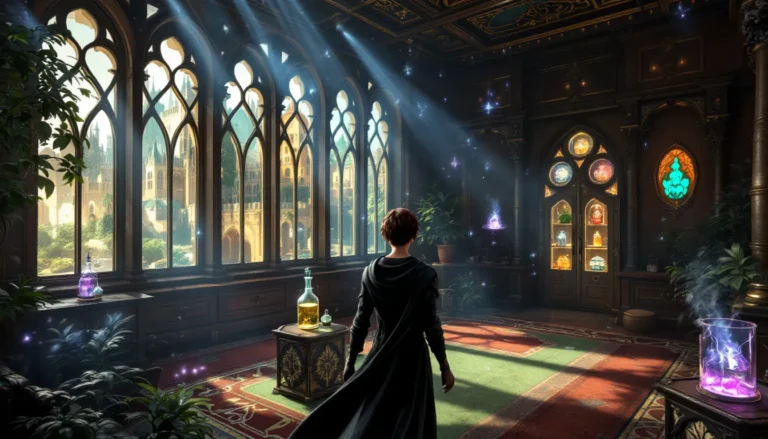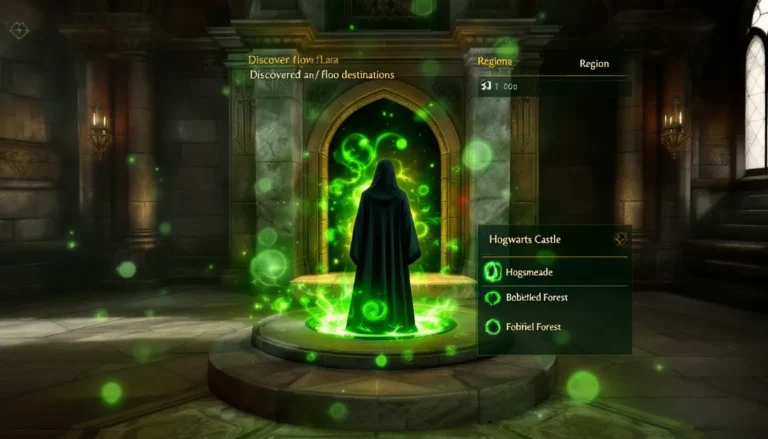

The Hogwarts Library in Hogwarts Legacy is far more than just a location to tick off on your map, it’s a treasure trove packed with collectibles, hidden passages, and lore that enriches your entire playthrough. Whether you’re hunting for rare spells, completing Field Guide entries, or unraveling the mysteries tucked into Restricted Sections, the library rewards thorough exploration with gear, abilities, and story beats that feel earned. This guide breaks down everything you need to know to explore the library effectively, from basic navigation to accessing the most hidden corners of the castle’s literary heart.
Table of Contents
ToggleKey Takeaways
- Explore the library Hogwarts Legacy systematically by working through each wing in concentric circles to avoid missing hidden alcoves, chests, and legendary spell drops scattered throughout the multiple floors and passages.
- Unlock essential spells like Alohomora, Bombarda, and Accio at specific story milestones to access locked doors, destructible obstacles, and distant mechanisms that guard the rarest gear and restricted section treasures.
- The Restricted Section contains the most valuable loot and cryptic lore but requires story progression and puzzle-solving skills; plan multiple library visits across different game stages to maximize rewards appropriate to your current level.
- Complete Field Guide entries by hunting exclusive creatures like Bowtruckles and rare plants in the library’s conservatory annexes and biological sections to unlock cosmetic rewards and advanced potion recipes.
- Engage with major NPCs through library questlines and Merlin Trials to unlock unique rewards, romantic interest options, and relationship-building benefits that deepen your story experience beyond combat encounters.
- Farm the library for legendary robes, ability books, and potion ingredients like Moonstone and Puffskein Fur, especially in post-game replays where Restricted Section clears yield 500+ gold coins plus high-tier crafting materials.
Overview of the Hogwarts Library
Layout and Navigation Basics
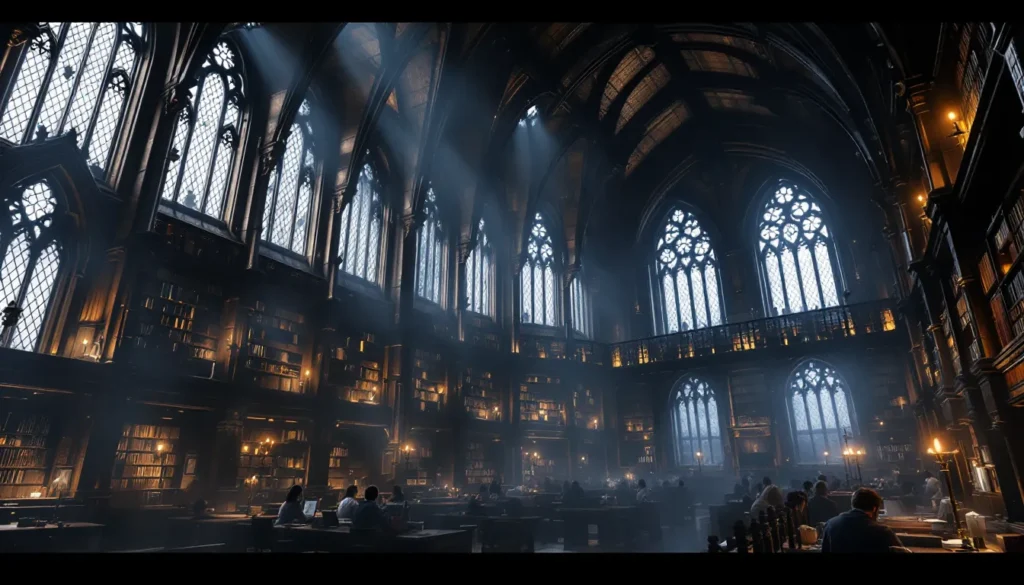
The Hogwarts Library spans multiple floors and wings, connected by staircases, balconies, and passageways that can feel confusing at first. The main reading area dominates the lower floors with tall shelves, firelit alcoves, and long wooden tables. Upper tiers offer quieter sections and alternate routes through the space. Most importantly, the library uses vertical layering, you can move up and down through different elevations, which is crucial for accessing all areas.
On your first visit, take time to memorize the basic flow: main entrance connects to the central reading hall, side passages lead to specialized sections (like the Potions section or Herbology wing), and staircases at key points provide vertical access. Many players miss areas because they don’t explore upward or downward enough. Use your minimap religiously when learning the layout, it highlights explored areas and helps you spot unexplored pockets.
The library is also home to various NPCs who move between locations. You’ll encounter students studying, staff members organizing tomes, and characters involved in specific questlines. These NPCs become anchors for navigation and also hint at points of interest through their dialogue.
How to Unlock the Library
Unlike some Hogwarts locations, the library isn’t locked behind a specific questline, you can access it relatively early in the main story. But, certain wings and sections require progression. The main library opens once you complete the initial Hogwarts tour sequence early in the game.
Full access to all areas, including the Restricted Section, requires reaching certain story milestones. The Restricted Section specifically unlocks during a key main questline moment, typically around the middle chapters of the game. Before that unlock, you’ll see barriers preventing entry, but you can still explore the public sections thoroughly.
Some smaller restricted alcoves and hidden chambers are gated behind specific Talents or Spells you acquire as you level up. For example, access to certain areas may require Bombarda to destroy obstacles or climbing abilities tied to progression. Plan your library visits at different stages of the game to maximize what you can discover.
Collectibles and Collections You Can Find
Legendary Spell Drops and Tome Locations
The library is one of the best locations to hunt for legendary spells. Unlike common spells found through combat, several legendary variants drop from enemy encounters within the library itself or from chests hidden in obscure corners. The Diffindo legendary variant, for instance, appears in a locked vault on the upper tier requiring a specific key. Other legendary spells like Expelliarmus legendary editions spawn from defeated dark wizards during timed events in the library.
Tomes scattered throughout the shelves contain lore entries that don’t grant combat abilities but flesh out the world’s history and magic system. These collectible tomes are often tucked in corner shelves or on high balconies. Collecting full tome sets unlocks achievements and sometimes grants minor stat bonuses or cosmetic rewards. The Potions section houses rare tomes related to brewing mechanics, while the Restricted Section holds darker grimoires tied to forbidden magic lore.
Chests containing spell upgrades, talent books, or rare crafting materials appear at regular intervals through the library. Some are obvious: others require solving small environmental puzzles or navigating through tight passages. The library’s central vault, accessible after story progression, contains one of the highest-rarity spell drops in the game.
Field Guide Pages and Creature Discoveries
The Field Guide is a collection mechanic where you hunt down and document creatures, plants, and artifacts across Hogwarts. The library contributes significantly to this checklist, particularly for arcane creature encounters and rare plant specimens kept in glass enclosures or magically contained habitats.
Certain creatures spawn exclusively in library sections during specific times or after triggering particular events. The Bowtruckle can be found nesting in the Herbology section’s plant displays. Magical fauna that only appear indoors are concentrated here, these are crucial for completing the Field Guide’s indoor creature category.
Plant specimens in the library’s conservatory annexes include rare ingredients used in potion crafting. Harvesting these documents them in your Field Guide. Some plants only appear after casting specific spells or breaking environmental objects, so experimentation is rewarded. Players who complete the full library segment of the Field Guide unlock a cosmetic reward or unlock recipes for advanced potions.
Hidden Areas and Secret Passages
Restricted Section Access Requirements
The Restricted Section is the library’s most coveted area, and for good reason, it contains the rarest loot and most cryptic lore. Access requires story progression past a specific main quest checkpoint, but reaching the deepest vaults demands additional unlocks.
Once the Restricted Section is accessible, you’ll face several locked doors and barriers. The outermost areas are straightforward to navigate, but deeper chambers require either puzzle-solving or specific Spells. Alohomora (learned through a dedicated questline) unlocks magical locks on doors and chests throughout the section. Without this spell, you’ll hit walls, literally. Plan a return visit once you’ve acquired it if you want to access all treasure.
Other restricted areas require the Revealment charm or specific Talents tied to sneaking or stealth stats. Some vaults only open after defeating all enemies in an encounter or completing a timed challenge. The deepest chamber in the Restricted Section, accessible only to players who’ve invested heavily in combat abilities and puzzle-solving, houses one of the game’s legendary artifacts.
One lesser-known requirement: certain restricted areas respond to environmental interactions tied to specific spells or Talents you might not immediately recognize as relevant. For example, using Accio on distant objects can reveal hidden passages by moving obstacles or triggering mechanisms.
Easter Eggs and Lore References
Hogwarts Legacy developers stuffed the library with fan-service nods and deep lore Easter eggs. Hidden alcoves contain references to specific spells from the source material, with interactive displays explaining their magical origins. You’ll find easter eggs referencing Dumbledore’s era, specific historical magical events, and even hints at future questlines.
One famous easter egg involves a portrait in a quiet upper corner that references a joke from the wider wizarding universe. Examining it yields a cosmetic reward or hidden dialogue. Another notable discovery: a secret reading nook accessible only by using a specific path through the upper balconies contains letters and journals from famous wizards, purely lore content with no gameplay reward, but utterly worthwhile for lore enthusiasts.
Players have discovered that certain books on shelves trigger ambient dialogue when approached, hinting at questlines or hidden areas. The library’s design encourages aimless exploration, and the payoff for curiosity is consistent. Resources like game guides on Twinfinite catalog many of these easter eggs if you want a complete checklist, though discovering them yourself is part of the charm.
Quest Chains and NPCs Located Here
Notable Characters and Their Quests
Several major NPCs are tied to library questlines, and encountering them here advances their personal stories and unlocks unique rewards. The library librarian, a returning character to Hogwarts lore, anchors multiple sidequest chains focused on rare book recovery and magical artifact authentication. Completing these quests grants experience, rare books as crafting materials, and occasionally legendary gear.
A student character who frequents the library research tables becomes a romantic interest option depending on your dialogue choices throughout multiple library encounters. Their questline involves helping them research forbidden magics or historical mysteries, with outcomes that vary based on your player alignment and choices. Another NPC, a staff member protecting restricted materials, offers a security-focused questline that unlocks alternate access routes and unique spells tied to protective magic.
Encounters with antagonistic characters also occur in the library, certain enemies or rival students ambush you during exploration or during specific story chapters. These combat encounters often serve as story beats rather than simple mob fights, with dialogue that contextualizes the encounter and builds the narrative. Defeating them grants boss-quality loot and story progression.
Merlin Trials and Relationship Building
Merlin Trials are optional challenge events scattered across Hogwarts, and the library hosts several. These trials test your spell casting, problem-solving, and puzzle-solving skills through time-limited challenges or resource-management scenarios. Completing library-based Merlin Trials grants experience, talent points, and unlocks cosmetic skins or special ability modifiers.
The library’s Merlin Trials often focus on academic or lore-themed puzzles, you might need to identify books by their description, arrange tomes in a specific order, or cast spells in sequence to solve magical locks. These trials are less combat-focused than trials in other locations, rewarding intelligence and observation over reflexes.
Relationship building occurs naturally through repeated library visits and NPC interactions. Certain characters have daily routines in the library, and greeting them or completing their requests builds relationship points. Higher relationships unlock dialogue options, quest access, and sometimes trade discounts if the NPC is a merchant. Several gaming guides recommend scheduling library visits at specific times to maximize NPC encounters, though the game tracks relationships passively as you explore.
Valuable Rewards and Loot Opportunities
Gear, Spells, and Ability Books
The library is hands-down one of the most rewarding locations for gear farming. Legendary robes with unique stat combinations, like +30% potion effectiveness or +15% spell casting speed, appear in library chests and reward pools. The distinctive Librarian’s Cloak legendary outfit is crafted or dropped here, granting bonuses to spell discovery and book interaction completion.
Spell variants, particularly legendary editions, concentrate in the library more than any other location. You can obtain legendary Protego (shield charm), legendary Stupefy, and other defensive-focused spells more reliably here than elsewhere. Ability books that unlock special talents are stocked in library vendors and chests, specifically, books tied to academic skills, focus restoration, or stealth mechanics are library staples.
Chests hidden in upper balconies and restricted alcoves contain upgrade materials for weapons and gear. Ancient magical components used in crafting legendary items often appear in locked library vaults. The library vault on the top floor consistently rewards one legendary crafting material per playthrough, making it a must-visit location for gear optimization.
Some ability books are one-time finds, so thorough exploration matters. A Focus Mastery Tome hidden behind a breakable wall in the Potions section grants permanent focus pool expansion, missing this means reduced healing or combat efficiency for the rest of your playthrough.
Currency and Potion Ingredient Farming
Gold drops from defeated enemies and opened chests are plentiful in library combat encounters, especially if you’re replaying the area post-game. A single Restricted Section clear can net 500+ gold coins, plus crafting materials. This makes the library an efficient farming route for players who need currency for spell upgrades or cosmetics.
Rare potion ingredients, particularly Moonstone and Puffskein Fur, appear in library containers and can be harvested from creatures in the library’s biological sections. These ingredients are expensive to buy from vendors, so farming them here saves significant gold. Ingredients respawn on returning to the library after story progression, enabling sustainable farming.
Alchemy ingredients tied to Essence of Mandrake or Dragon’s Breath are concentrated in the Restricted Section, where dark magic residue preserves rare botanical specimens. These ingredients are needed for the most advanced potion recipes, making library farming essential for potion-focused builds. Players who prioritize brewing will spend considerable time in the library harvesting and crafting, making efficiency routes critical.
Tips and Best Practices for Efficient Exploration
Optimal Routes and Time Management
Explore the library systematically rather than randomly. Start at the main entrance and work in concentric circles outward, visiting each wing completely before moving to the next. This prevents missing alcoves or doubling back. Mark your minimap with visited locations to track coverage.
Visit the library multiple times at different story progression stages. Early visits yield public-section collectibles and basic gear. Mid-game returns unlock the Restricted Section and advanced loot. Late-game visits reveal endgame legendary items and story-related easter eggs. Planning these visits strategically means you’re always gathering appropriate-tier loot.
Time-gating matters, certain creatures spawn only during specific in-game hours or weather conditions. Evening hours see more spectral or nocturnal creatures in the Restricted Section. Rainy weather triggers specific NPC spawns and quest availability. Consult your in-game calendar and adjust library visit timing accordingly.
Bring appropriate gear and spells. Stock healing potions before exploring restricted areas where combat encounters are guaranteed. Carry spell stones matching your loadout to maximize damage output during fights. If you’re hunting specific creatures for Field Guide entries, equip spells that immobilize rather than kill, ensuring you can photograph them.
Required Spells and Talents for Full Access
You cannot fully explore the library without specific unlocks. Alohomora is mandatory for accessing locked chests and doors, don’t progress deep into the Restricted Section without learning it first. This spell is acquired through a dedicated main quest in Hogwarts town, so plan your library exploration after completing that questline.
Bombarda opens destructible walls and obstacles blocking passages. Several hidden areas require blasting through rubble or cracked stone to reveal chambers beneath. Without Bombarda, you’ll visually see inaccessible areas but can’t reach them until you acquire the spell.
Revealment charms reveal hidden objects, passages, and sometimes hidden enemies in dark corners. While not strictly required, using Revealment in the Restricted Section often uncovers treasure caches or secret doors you’d otherwise miss. This talent is unlocked through the sneaking/perception skill tree.
Talent investments matter equally. Points in the “Spellcasting” tree unlock more powerful spell variants that break tougher obstacles. Points in “Stealth” let you avoid unnecessary combat in restricted areas. Points in “Protection” and defense stats reduce potion consumption during mandatory combat encounters.
One often-overlooked requirement: the Accio spell, learned through a side quest, allows you to interact with distant objects and trigger environmental mechanisms. Some library secrets require using Accio on objects across wide spaces, for example, pulling a distant book from a high shelf to trigger a hidden passage mechanism. Not mandatory but heavily recommended for completionists. According to comprehensive walkthroughs at Game Rant, the most effective explorers plan their spell and talent progression around known library requirements rather than discovering them mid-exploration.
Conclusion
The Hogwarts Legacy library rewards patient, thorough exploration with some of the game’s rarest gear, most engaging NPCs, and deepest lore. Whether you’re chasing legendary spells, completing your Field Guide, or hunting easter eggs, the library is a location you’ll revisit multiple times across your playthrough. Plan your visits around story progression milestones, ensure you’ve unlocked necessary spells like Alohomora and Bombarda, and don’t rush through, the details and hidden alcoves are where the real treasures hide. The library, at its core, is a love letter to exploration itself: methodical, rewarding, and packed with secrets that validate every corner you investigate.