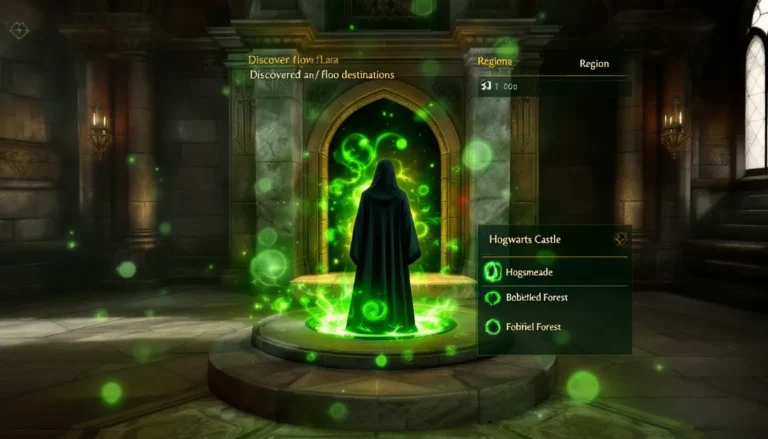

Hunting down every last field guide page in Hogwarts Legacy is one of those achievements that separates the completionists from the casual players. If you’re sitting at 87% and those missing pages are gnawing at you, or you’re planning a fresh playthrough and want to grab them all efficiently, you’re in the right place. Field guide pages aren’t just collectibles gathering dust in your inventory, they unlock lore, cosmetics, and tangible progression bonuses that make future encounters easier. This guide walks you through exactly where to find every single page, the mechanics behind collection, and why filling that field guide actually matters for your playthrough.
Table of Contents
ToggleKey Takeaways
- Hogwarts Legacy field guide pages unlock cosmetics, house progression, and tangible combat enhancements like spell damage modifiers and potion effectiveness boosts.
- The Revelio spell is essential for efficient field guide page collection, revealing nearby collectibles with distinct glowing circles, especially in enclosed spaces like libraries and creature lairs.
- Systematic region-by-region exploration combined with strategic Revelio usage and audio cue awareness can help you reach 100% completion in 15-20 hours beyond the main story.
- Field guide pages do not respawn or disappear after collection, eliminating time pressure and allowing flexible completion across multiple playthroughs or sessions.
- High-yield zones like the Library, Hogwarts Castle grounds, and enemy encounter areas contain 60-70% of all field guide pages, making them priority targets for efficient speedrunning.
- Completing specific field guide categories grants concrete gameplay advantages such as 5-15% effectiveness improvements against relevant enemy types and improved dialogue options that expose enemy weaknesses.
What Are Field Guide Pages and Why They Matter
Field guide pages are collectible items scattered throughout Hogwarts Legacy that document creatures, characters, plants, and locations you encounter. Think of them as in-game achievements tied to exploration, each page fills out your personal field guide, unlocking lore entries and rewards as you complete sections.
They’re important for several reasons. First, completing field guide sections unlocks cosmetics like house robes, wands, and cauldron designs. Second, you gain experience points toward your house rank, which accelerates progression. Third, and this is the kicker, filling out certain field guide categories grants tangible combat advantages like spell enhancements or damage modifiers. Casual players might skip them, but if you’re pushing toward 100% completion or want every edge in duels, field guide pages are absolutely worth your time.
The field guide system encourages exploration beyond the main questline. You won’t stumble onto every page by accident: they’re hidden in deliberate locations that reward curiosity. Some require specific conditions to find (like encountering certain enemies or visiting locations at particular times), while others are just tucked away in hard-to-reach corners. Understanding this distinction saves you hours of aimless searching.
Understanding Field Guide Page Mechanics
Each field guide page corresponds to a specific creature, character, or location in the game. When you encounter or identify something new, the associated page automatically unlocks if you haven’t found it already. Some pages unlock from combat encounters, defeat a troll, and its page appears. Others require specific actions like casting spells near certain objects or interacting with NPCs.
The mechanics work on a category system. You’ve got Beasts, Characters, Locations, and Plants. Completing all pages in a single category nets you rewards ranging from cosmetics to ability upgrades. Completing specific “milestones” within these categories, say, 25% of Beast pages, also triggers rewards, so even partial completion pays out.
One crucial mechanic: the Revelio spell. This is your primary tool for finding hidden pages. Revelio reveals collectibles, secrets, and hidden doors throughout Hogwarts. Using it in different environments reveals different page types, so spraying it everywhere isn’t efficient, focus Revelio on areas matching the category you’re hunting. Revelio has a cooldown, so you can’t just spam it, but the revelation circles it creates clearly highlight nearby pages.
Pages don’t respawn or disappear. Once collected, they’re permanently added to your field guide. This means there’s zero rush to grab them all before some arbitrary deadline. You can take your time, explore thoroughly, and backtrack later if needed without fear of losing access.
How To Find Field Guide Pages Efficiently
Exploration Strategies and Location Tips
Finding all field guide pages isn’t about randomness, it’s about systematic exploration. Start by identifying which category you need most. If you’re low on Beast pages, focus on areas with heavy enemy spawns. If you need Character pages, concentrate on populated locations like Hogsmeade or Hogwarts corridors.
Use your map as your ally. Open it frequently and look for unexplored areas marked differently from traversed zones. These gaps often hide pages. Vertical exploration matters too, climb towers, descend into basements, and search high shelves. Pages hide in ledges, alcoves, and tight corners that easy-mode exploration misses.
Focus on one region at a time. Mentally divide Hogwarts Legacy into zones: Hogwarts Castle proper, the castle grounds, Hogsmeade, the Forbidden Forest, and outlying areas like Diagon Alley or the Undercroft. Exhaustively search one zone before moving to the next. This prevents you from forgetting which areas you’ve already covered.
Enemy encounters are page factories. Seek out locations with high monster density, dark forests, caves, and enemy camps. Encounter unique enemy variants (like Elite Trolls or cursed enemies), and their pages unlock immediately. This overlap makes combat-heavy areas doubly rewarding for page hunters.
Using Revelio Spell and Detection Methods
The Revelio spell is non-negotiable for field guide page hunting. Cast it constantly as you explore, especially in enclosed spaces like dungeons or classrooms. Revelio reveals glowing circles around nearby collectibles, and pages glow with a distinct color. The spell has a range limit, so you need to be relatively close to targets for them to appear, don’t expect to reveal an entire zone from one cast.
Pair Revelio usage with environmental awareness. Cast Revelio in libraries and you’ll surface Character and Lore pages. Cast it near creature lairs and Beast pages light up. Cast it in gardens and Plant pages appear. Understanding this connection means fewer wasted casts and faster completion rates.
Listen for audio cues. When you’re near an uncollected page, a subtle sound effect plays, a kind of sparkle or hum. This auditory feedback alerts you before Revelio even triggers, letting you pinpoint your search area without blind wandering.
Consider using a detailed guide or interactive map if you’re stuck at 95%+ completion. Sites like Game8 offers comprehensive walkthroughs for exact coordinates and methods to unlock conditional pages. There’s no shame in cross-referencing the final few percentage points, some pages require such specific conditions that brute-force exploration becomes unproductive.
Complete Field Guide Page Locations by Region
Hogwarts Castle and Grounds
Hogwarts Castle itself contains the highest concentration of pages. The castle spans multiple floors and wings, each with dedicated pages. Start in the Grand Staircase and work methodically through adjacent areas. The Library is a major page hub, nearly two dozen pages hide here, particularly Character and Lore entries. Don’t miss the upper floors near towers: they’re easy to overlook but densely populated with collectibles.
The castle grounds hold outdoor pages, especially near the Quidditch Pitch, greenhouses, and the Hippogriff tower. The Quidditch Pitch alone spawns Beast pages from encounters, so spend time there engaging enemies. The greenhouses are mandatory for Plant pages, almost every species page comes from this region.
The Undercroft, if you’ve unlocked it, contains exclusive pages tied to your house activities. These don’t appear elsewhere, so access is essential for 100% completion. The Undercroft also has unique Beast encounters that don’t spawn in standard exploration, so pages from rare creatures appear here.
Hogsmeade Village
Hogsmeade is smaller than the castle but densely packed. Nearly every building contains pages. The Three Broomsticks, Honeydukes, and Ollivanders all have Character pages from NPCs stationed there. The Hog’s Head bar has pages scattered around the interior and cellar.
Use Revelio aggressively throughout Hogsmeade, the village has many narrow alleys and alcoves where pages hide. Troll locations near the village edges spawn Beast pages, so clear those camps. The village also has location-specific pages, so you won’t find all of Hogsmeade’s pages indoors: venture outside to surrounding areas.
The Forbidden Forest
The Forbidden Forest is the expansion area where page density actually decreases compared to the base game regions, but the pages here are worth the journey. This zone specializes in Beast and Plant pages, rare creature encounters and exotic flora that don’t appear elsewhere in Hogwarts Legacy.
Beast pages here include Graphorns, Mooncalves (nocturnal encounters), and other expansion-exclusive creatures. Search systematically: the forest has multiple distinct areas (the deep forest, the shore region, etc.), and each has its own page distribution. Plant pages concentrate near water sources and clearings.
Navigating the Forbidden Forest is actually easier than it looks. Fast travel to the entrance near Hogsmeade, then follow the logical pathways. Use Revelio near points of interest, and don’t be shy about pulling up your map to ensure you’ve covered every recognizable location.
Other Key Locations
Diagon Alley, Knockturn Alley, and other hub areas contain specialized pages. Diagon Alley spawns character pages from shop owners and iconic locations. Knockturn Alley is darker and rewards thorough searching with rare pages tied to the dark arts narrative.
Fielding the question of Azkaban and other limited-access areas: some pages only appear during specific quests or story moments. If you missed pages during main story progression, check whether the location remains accessible post-game. Most do, but a few tie to time-limited story encounters, so grab those during your playthrough rather than postponing.
Rewards and Benefits of Completing Field Guide Collections
Achievements and Unlockables
Completing field guide sections triggers tangible rewards. Fill a Beast category, and you unlock cosmetics like creature-themed cauldrons or potion bottle designs. Finish a Character category, and you might unlock robes matching that character’s house or aesthetic. Location pages reward you with decorative map markers or house customization options.
The achievement system ties directly to completion percentages. Hitting 25%, 50%, 75%, and 100% completion in each category nets separate rewards. Some cosmetics only unlock at specific milestones, so players targeting particular skins or designs should prioritize those categories first.
Beyond cosmetics, field guide completion grants house points. House points accelerate your progression toward house rank increases, which unlock new spells and abilities. This creates a meaningful progression loop where collecting pages isn’t just about completion for completion’s sake, it tangibly advances your character.
Character Progression Benefits
Here’s where field guide pages intersect with combat effectiveness. Completing specific field guide categories grants spell enhancements. For example, filling out all Beast pages might unlock a modifier that increases your Stupefy damage against beasts. Character pages might unlock dialogue options or provide intel on enemy weaknesses.
The most impactful rewards are ability upgrades. Certain pages, when fully collected, unlock new talents or enhance existing ones. These aren’t game-breaking bonuses, they won’t turn you from struggling to dominant, but they provide consistent 5-15% effectiveness improvements in relevant scenarios. Against beasts, you’ll hit noticeably harder. Spells targeted at humanoids fire faster. These accumulations matter in higher-difficulty playthroughs.
The progression system encourages diverse engagement. You’re not just hunting pages for completion percentage: you’re unlocking tangible gameplay improvements that make subsequent encounters easier. It’s a subtle but effective incentive loop that most looter games aspire to but many fumble.
Tips for 100% Completion
Avoiding Common Mistakes
The most frequent mistake is assuming you can grab all pages post-story. While most pages remain accessible, a handful unlock only during specific story quests. If you’re aiming for true 100% completion, avoid skipping optional encounters or skipping through dialogue. Some pages unlock from conversing with NPCs, skip dialogue, and you miss the page unlock trigger.
Another trap: confusing cosmetic unlocks with page collection. Finding 50% of Beast pages grants you a reward. That reward being visual doesn’t mean the remaining pages are less important for completion percentage tracking. Keep your completion percentage in mind, not just the cosmetics you’ve unlocked.
Players also get tunnel vision on obvious locations. Dark forests look like Beast hotspots, so everyone checks there thoroughly. Meanwhile, pages hiding in plain sight in populated areas go unnoticed because players assume those areas were already cleared. Double-check high-traffic zones like the Great Hall or Courtyard, some pages are visible if you stop rushing through.
Ignoring audio cues wastes time. If you hear that sparkle sound near an enemy camp, that’s your signal to use Revelio. Skipping the audio cue and continuing past means you’ll backtrack later. Developing an ear for these signals speeds up collection immensely.
Speedrunning vs. Thorough Exploration
Speedrunning page collection focuses on high-yield areas first. The Library, castle grounds, and creature encounter zones contain 60-70% of all pages. Hit these first, then tackle secondary areas. This approach gets you to 90% completion faster than methodical zone-by-zone clearing.
Thorough exploration is slower but more forgiving. By systematically clearing one zone entirely before moving to the next, you ensure no pages hide behind oversight. This method suits players with limited gaming time per session, clear one zone, save, close the game knowing that zone is done.
Hybrid approach (recommended): Prioritize the high-yield zones first using a guide to hit the major pages. Once you’re at 85-90%, switch to thorough zone-by-zone exploration to catch stragglers. This balances speed with completeness, typically wrapping up 100% in 15-20 additional hours for most players.
For speedrunners specifically: IGN’s walkthroughs break down optimal routes for sequential page collection, saving you the mental overhead of planning which zone to hit next. The efficiency gains from following a pre-planned route often outweigh the time to read the guide.
Field Guide Pages and Combat Advantages
Field guide completion directly impacts combat viability, especially in higher-difficulty encounters. The spell enhancements you unlock don’t just buff numbers, they change how spells interact with enemy types. A Stupefy enhanced through Beast page completion not only hits harder but applies crowd control more reliably to creatures, creating tactical advantages in beast-heavy encounters.
Character pages unlock dialogue options that expose enemy weaknesses. NPCs and some boss enemies reveal susceptibilities through scripted dialogue. Collect all their pages, and you get those dialogue options without needing perfect RNG or trial-and-error. This translates to smarter spell selection and faster fights.
Plant pages unlock potion brewing enhancements. Completing this category might increase potion effectiveness by 10-20%, making healing and buff potions more efficient. In tight HP situations, this margin matters significantly. Combined with spell enhancements, full field guide completion creates a compounding advantage that becomes noticeable by end-game challenging encounters.
Location pages provide less direct combat benefit but grant environmental awareness. Pages from dangerous locations include lore about hazards and safe paths, essentially giving you map knowledge that helps you kite enemies or set up advantageous battlefield positions. Combined, field guide completion doesn’t make you invincible, but it raises your effective skill floor by 10-15%, which compounds across a full playthrough and makes Legend difficulty noticeably more manageable.
Conclusion
Completing Hogwarts Legacy’s field guide pages rewards you with cosmetics, progression boosts, and genuine combat advantages. The collection system is designed to encourage exploration rather than grind, meaning pages naturally fall into your hands as you play thoroughly. The key to 100% completion is systematic region-by-region searching combined with strategic Revelio usage and attention to audio cues that signal nearby pages.
Whether you’re chasing completion achievements or hunting specific cosmetic rewards, the field guide offers meaningful progression tied to playstyle. Creatures-focused hunters gravitate toward Beast pages, social players lean into Character pages, and explorers naturally accumulate Location pages. The system respects player preference while nudging everyone toward well-rounded completion through escalating rewards.
For new players starting fresh in 2026, approaching field guide collection early rewards patience now with tangible advantages later. For veterans sitting at 87% trying to track down that last Beast page, remember that frustration is temporary, cross-reference a guide for the final stragglers, claim your rewards, and move forward knowing you’ve truly mastered Hogwarts Legacy’s world.